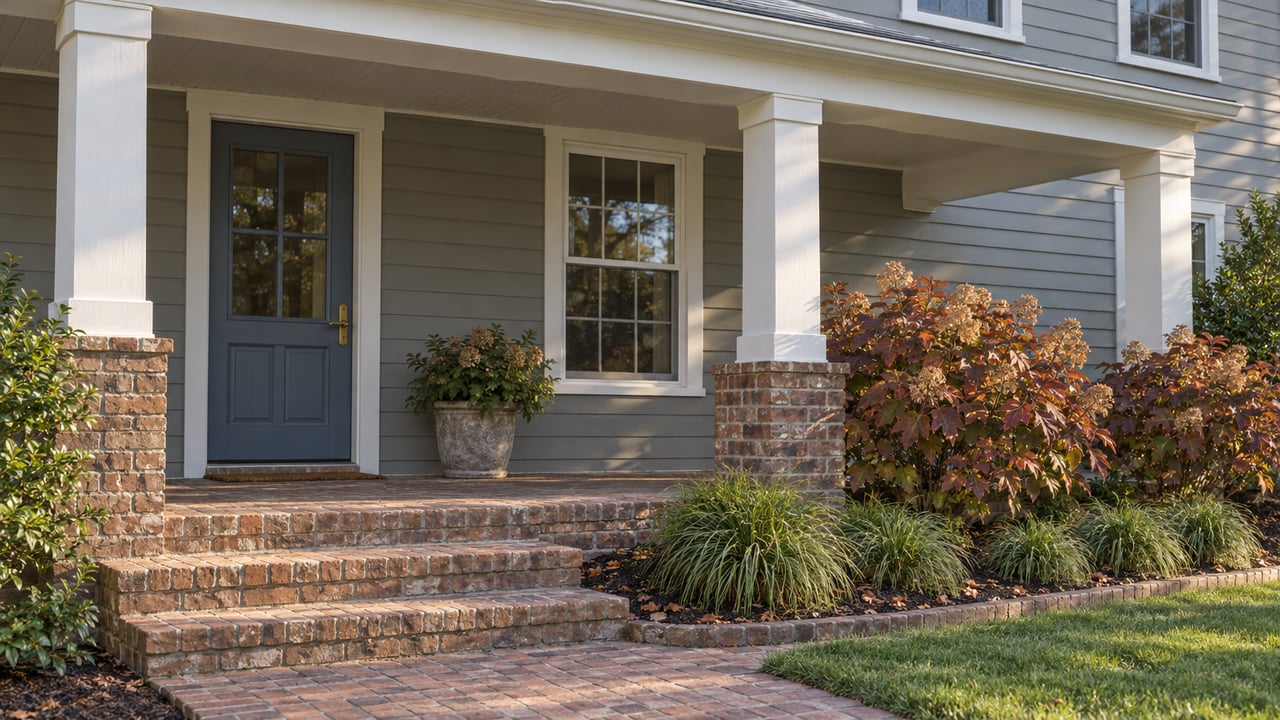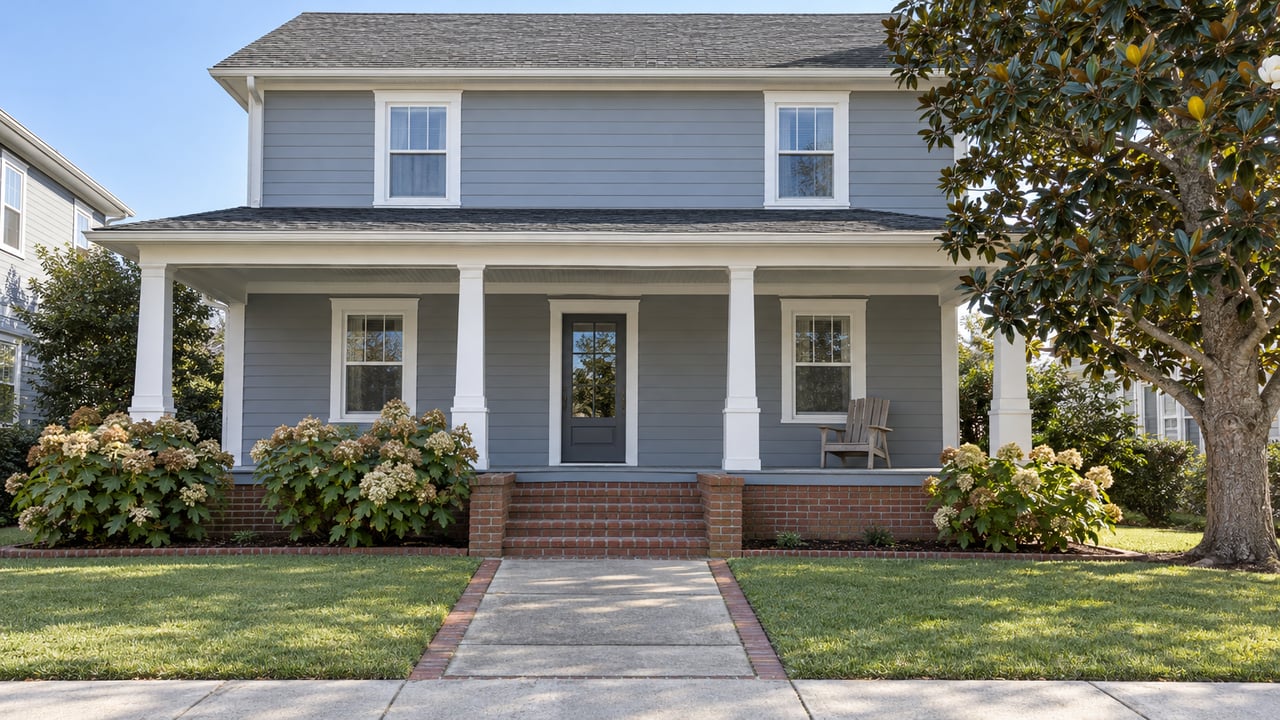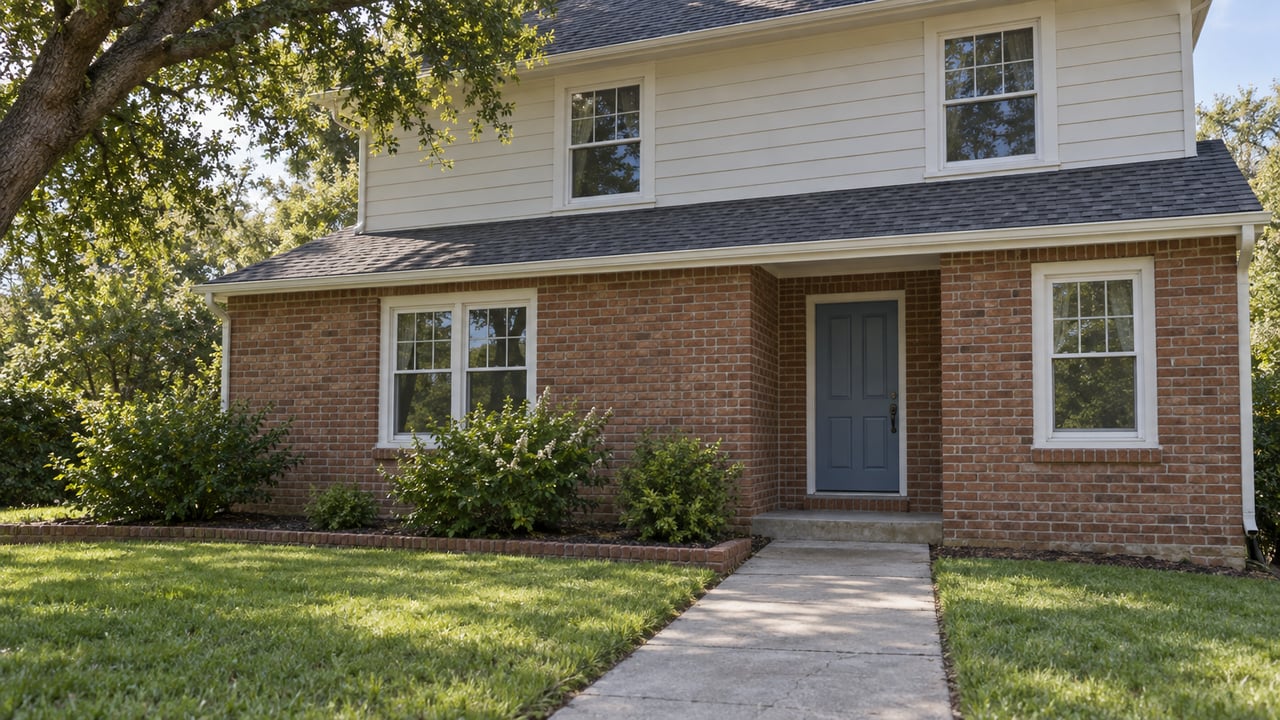
What does a seller in Kings Grant have to tell you about the electrical panel tucked in the hallway closet, or the pipes running behind the walls of a ranch built in 1967? Under Virginia law, the answer is close to nothing, as long as they don't lie when you ask directly.
That single fact matters more in Kings Grant than in most Virginia Beach neighborhoods, because the housing stock here isn't a mix of build years. It's concentrated. Most of the brick ranches and colonials threaded through the neighborhood's lakes and marshes near the Lynnhaven River went up in a narrow window, largely from the early 1960s through the 1970s. That's not incidental to a buyer's due diligence. It's the whole reason a purchase here comes with a specific, predictable set of things to check for, whether or not the seller ever brings them up.
What "Buyer Beware" Actually Means on a Kings Grant Contract
Virginia is one of the states that still runs on the old common-law idea of caveat emptor, or let the buyer beware. The Virginia Residential Property Disclosure Act requires sellers to hand buyers a signed disclosure statement before contract, but that form is built around the seller checking "no representation" on most physical conditions rather than describing them. A seller can't lie outright if you ask a direct question about the wiring, and can't actively hide a known problem. But they are under no obligation to volunteer that the panel is original to the house, or that the supply lines have never been touched. Nolo's summary of Virginia's disclosure law lays out the same point: the statute itself advises buyers to do their own inspections precisely because the disclosure form isn't built to surface this kind of thing.
That framework works fine for a home with a fully modernized electrical and plumbing system. It works against a buyer in a neighborhood where the majority of homes were built during the exact years when two now-flagged systems were standard equipment, not upgrades waiting to happen.
The Two Systems Baked Into the Build Year
Federal Pacific Electric Stab-Lok panels and Zinsco panels were installed in residential construction across the country from the 1950s into the early 1980s. The concern isn't cosmetic age. It's that the breakers in these panels have a documented history of failing to trip during an overload, which is the one job a breaker exists to do. The U.S. Consumer Product Safety Commission opened an investigation into FPE breakers in the early 1980s and closed it in 1983 without ordering a recall, citing resource and data limitations rather than a clean bill of health. That inconclusive ending is part of why inspectors and insurers still treat the brand as a documented risk rather than a settled non-issue decades later.
Galvanized steel pipe tells a similar story from the plumbing side. It was the standard water supply material in American homes from the early 1900s through the 1960s, which places a home built at the tail end of that run squarely in the window. The pipe doesn't fail the way a burst copper line does. It corrodes from the inside, where mineral deposits slowly narrow the interior diameter until water pressure drops and the water itself starts running rusty or discolored, often years before a visible leak shows up.
Neither system is unique to Kings Grant. What's specific to Kings Grant is that its build era sits right in the middle of both windows, which means a buyer touring a ranch or colonial here is touring a home statistically more likely than a newer build to still have one or both, whether or not six decades of ownership have already addressed it.
Why This Becomes an Insurance Problem Before It Becomes a Repair Problem
The financial pressure point isn't the repair bill. It's the underwriting call that arrives while a buyer is trying to close on financing.
Many homeowners insurance carriers decline new policies outright on homes with confirmed FPE or Zinsco panels, and existing policyholders can receive non-renewal notices once a carrier identifies the brand during a routine inspection. Virginia does regulate how that process has to work. Virginia Code § 38.2-2114 requires an insurer to give written notice at least 30 days before refusing to renew an owner-occupied dwelling policy, and Virginia's State Corporation Commission publishes a consumer guide to homeowners insurance that walks through what to do if one carrier turns you down.
For a buyer, the practical numbers look like this:
- A licensed electrician's replacement of a flagged Stab-Lok or Zinsco panel typically runs $2,500 to $5,000.
- A full house repipe after galvanized lines are found to be corroded or under-pressured typically runs $5,000 to $15,000 or more, not counting any drywall repair the work requires.
Those figures aren't hypothetical line items. They're the exact numbers a buyer needs on hand before an inspection report comes back, because the negotiation that follows moves fast and the seller has no disclosure-form obligation to have raised any of it first.
The Window That Actually Protects a Buyer
The real protection in a Kings Grant purchase happens during the home inspection contingency written into the contract, not on the disclosure page.
A general home inspection covers the panel and the plumbing as a matter of course, but the useful move is asking the inspector directly to identify the panel manufacturer and model, and to name the supply pipe material rather than just note its general condition. Hampton Roads inspection companies build this into standard practice. Premier Inspects' Hampton Roads checklist specifically calls out scrutinizing the panel for recalled brands like Federal Pacific or Zinsco as a routine part of the report, not an upsell.
Once that documentation exists, it becomes negotiating material inside the contingency window that's still open, before financing contingencies are waived and before a lender's own requirements force the issue on a shorter timeline. A buyer can ask for a credit at closing, ask the seller to complete the replacement before closing, or adjust the offer to account for it. The disclosure form has already done the only job it was ever built to do, which is tell you that the seller isn't representing anything about the condition of the house.
Does every Kings Grant home from this era have one of these systems? No. Many have been updated over the decades of ownership since the neighborhood was built, and a modern panel or repiped supply line is common in homes that have changed hands more than once. The build year raises the odds that these systems are original. It doesn't tell you the condition of any specific house.
Can a home with a flagged panel or galvanized pipe still close? Often, yes. Buyers regularly negotiate a credit to cover replacement after closing, or ask the seller to handle it before the sale. Once a modern panel is installed and documented, or the pipe is replaced, standard insurance coverage typically becomes available again in the normal course of underwriting.
If you're looking at a home in Kings Grant and want to know what an inspection report is actually telling you, or how to build a negotiating strategy around what it finds, I'd rather walk you through it before you're staring at the report with an offer deadline ticking. Michelle Stanek has spent years explaining exactly this kind of detail to Hampton Roads buyers, one plain-language conversation at a time.
This article is general information, not legal, tax or financial advice. Consult a qualified professional about your situation.